Here's the framework I teach on day one: product, offer, client. The product is the trip. The offer is how you sell it. And in a market where a hundred companies sell Egypt, the offer is the only thing that's actually yours. So, my words to every advisor I coach, let's not be basic bees about it.
“Let's not be basic bees.”
Include the magic, cut the commodity
- If an experience is extraordinary, stop listing it as an optional add-on. Include the helicopter over Cape Town. Include the penguin picnic. Optional extras read as nickel-and-diming; inclusion reads as luxury.
- Cut what they can buy themselves on Viator for a few dollars. If anyone can book it, it doesn't belong in a luxury package, let them do that one on their own.
- Decide which brand you are with my Subway-versus-Panera test: same sandwich category, completely different aesthetics, prices, and customer self-image. Every touchpoint of your offer should agree on which one you are.
Claire's own numbers
The framework, step by step
- 1
If an experience is extraordinary
stop listing it as an optional add-on. Include the helicopter over Cape Town. Include the penguin picnic. Optional extras read as nickel-and-diming; i
- 2
Cut what they can buy themselves on Viator for a few
If anyone can book it, it doesn't belong in a luxury package. Let them do that one on their own.
- 3
Decide which brand you are with my
same sandwich category, completely different aesthetics, prices, and customer self-image. Every touchpoint of your offer should agree on which one you
Claire's own framework from this essay, in the order she teaches it.
Source: Claire B. Soares, from her own travel business and live trainings.
Never publish everything
My favorite offer rule: the itinerary you publish is not the whole itinerary. Commit publicly only to what you know will happen, vendors can let you down, and keep genuine surprises in reserve: the private luncheon nobody saw coming, the custom gift with their name on it, the name cards at the welcome dinner. Under-promise on paper, over-deliver in person. Clients forgive almost anything except being over-promised, and they never forget being surprised.
Common Questions
What makes a luxury travel offer different?
The offer, not the destination. A hundred companies sell the same country, so what differentiates you is what you include, what you cut, and what you keep back as a surprise.
Should optional excursions be included in the price?
If the experience is extraordinary, include it. Optional add-ons read as nickel-and-diming, while inclusion reads as luxury, and commodity tours that anyone can book should be cut entirely.
Should you publish everything in the itinerary?
No. Commit publicly to what you know will happen, since vendors can fail, and keep genuine surprises in reserve so the trip over-delivers in person.
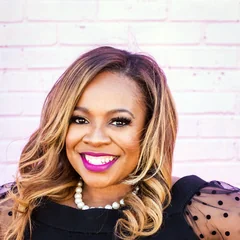
Written By
Claire B. Soares
Claire B. Soares is the founder of Travel AI University, a 6x Condé Nast Traveler Top Travel Specialist, and a Certified AI Consultant with a B.S. in Computer Science. A top 10% enterprise sales executive, she sold $3.4B+ in enterprise software to Google, Microsoft, IBM, Boeing, the federal government, and the DoD, then built $16M+ in luxury travel sales.
About Claire